
The first wave of artificial intelligence demonstrated that it can recognize the language, recognize patterns, and help people with ever-more complicated tasks. The majority of these programs depended on sending data to remote servers prior to receiving with a response. Cloud computing has assisted AI however it also has its own challenges, including latency, security, costs for infrastructure and the ability of developers to work with different types of software.
A lot of engineering teams are adopting a fresh approach. Instead of treating artificial intelligence as a service that is remote, they are designing systems that run closer to the place where the decisions are made. This shift is driving the acceptance of on-device AI. It allows apps to respond more quickly, decrease dependence on infrastructure that is external and maintain more control over the confidentiality of information.
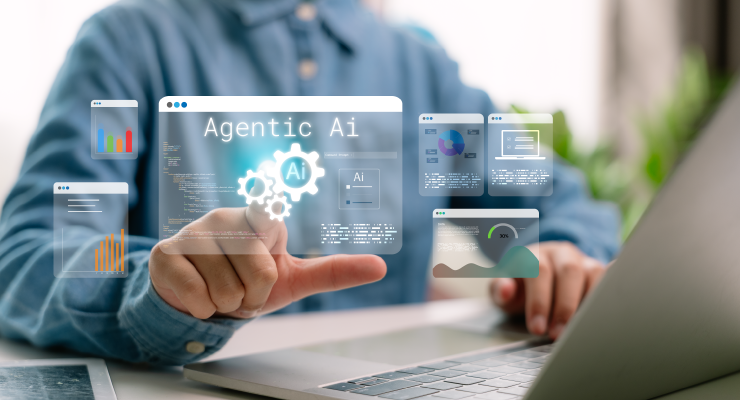
Modern AI requires a system designed to handle real-world workloads
The selection of the language model is not enough to produce intelligent software. The framework that it relies on is important to its performance. The success of an AI application in production is affected by runtime efficiency and observability, as well as deployment flexibility.
This growing complexity has increased demand for stronger AI agent infrastructure capable of supporting autonomous workflows, intelligent decision-making, and persistent execution. Many organizations prefer to use customized infrastructure that is designed to meet their specific operational requirements, rather than general platforms.
Thyn was established on this idea. Instead of offering a single AI application The company creates the foundational runtime engines needed to can support a range of products specialized in permitting each product to develop independently. This design approach allows engineers to focus on tackling business issues, rather than reworking the core infrastructure.
Better tools help developers build better systems
As AI becomes integrated into software applications Developers require more than APIs. They require environments that facilitate deployments, debuggings, monitoring the runtime, testing, and management.
Modern AI development tools put an increasing focus on control and transparency. Developers are trying to determine latency, optimize the use of resources and better understand how systems perform under heavy workloads.
Thyn invests heavily in these foundations of engineering by focusing on quantifiable system performance rather than general marketing claims. Runtime research is treated as a core engineering discipline that will strengthen all products that are built in the ecosystem.
The benefits of specialized intelligence are superior to one-size-fits-all platforms
There are many different AI workloads operate under the same conditions. Cryptographic, financial trading marketing automation, embedded software, and autonomous systems have distinct performance demands, security models and operational limitations.
Thyn develops custom engines specifically designed for specific domains, not forcing all applications to use the same framework. This allows products to be developed in a separate manner, yet still benefitting from research into architecture and governance.
The same concept is starting to affect AI coding agents. The modern coding assistants are more specific and less general. They help developers automatize repetitive tasks, write code, and analyse repository data.
Establishing intelligence closer to the place the best decisions take place
The future of artificial intelligence is moving beyond simply generating information. Successful systems are increasingly capable of reasoning, evaluating contexts, make decisions and carry out actions with speed.
Locally running AI can provide substantial advantages for applications that demand responsiveness, reliability and security. On-device AI reduces dependence on networks and delays, allowing applications operate even if connectivity is not available. This improves user experience while giving organizations greater ownership of their infrastructure and data.
While at the same time the scalable AI agent infrastructures ensure that intelligent systems remain observable, maintainable, and adaptable as requirements evolve.
Thyn represents a new direction in software development. The company is focusing on establishing an institutional framework to build intelligent software instead of focus on individual applications. Thyn’s innovative runtime architecture with a specialized engine, strong AI development tool and modern AI code agents are helping to shape an environment in which AI is faster, more secure, more reliable and ultimately more valuable for the developers who build the next generation intelligent products.