
A receipt from a restaurant shows that a customer ordered several alcohol-based drinks. Within a couple of hours the same customer has been involved with a serious accident. The receipt may be of value to an attorney who is seeking to determine the potential liability of the victim of a dramshop. But it doesn’t automatically establish whether the establishment served a clearly drunk person or whether employees failed to adhere to the proper procedures. It’s possible that the evidence is more persuasive depending on what transpired between orders for drinks.
To understand the pattern, you need to examine the alcohol service as part of a hospitality service. You cannot simply record drinks following an incident.
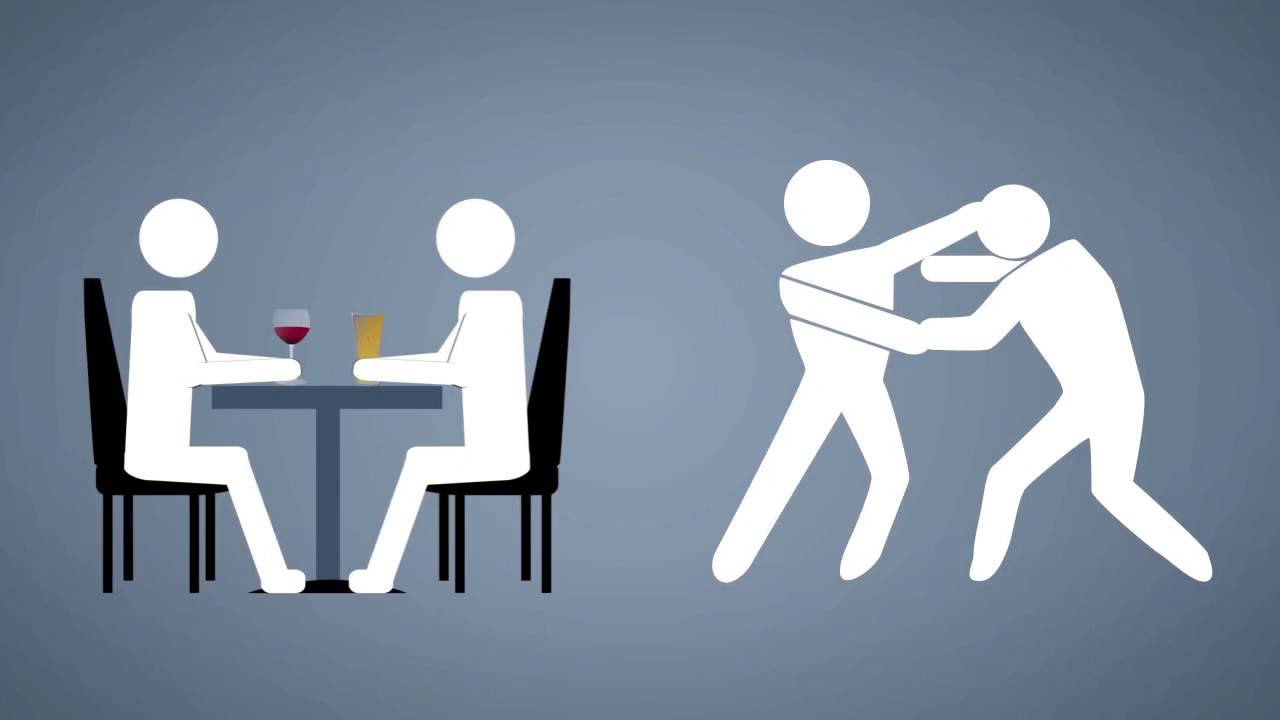
A receipt is a record of a purchase and not the actual condition of the customer
The record of the point-of-sale can be used to determine the date the transaction took place, what beverages were purchased and what charges are allocated to a tab.
A receipt, however, generally does not reveal how a person was acting at the time a drink was served. The receipt will not disclose who consumed each drink in the event that drinks were shared, as well as the manner in which the bartender viewed it.
A certified Expert Witness can help lawyers interpret the records as well as surveillance footage, employee testimony and other evidence that is available. The goal is to reconstruct the service flow without thinking that each purchase will tell the entire story.
What can employees observe in real-life?
A central question in many alcohol-related disputes is whether employees could have a reason to believe a patron was intoxicated. Relevant observations include speech or coordination issues inability to maintain balance, or changes in behavior.
But these indicators need context. The actions filmed on surveillance footage may not be a result of alcohol. Investigators should also consider the quality of the footage, employee positions and camera angles.
Preston Rideout has experience as an eveningclub manager Bar manager director of operations for bars, and bartender. His experience in operations helps link documents with the duties and the limitations that employees face working in fast-paced hospitality environments.
Written Training Doesn’t Always Describe Real Practice
In most alcohol-service investigation inquiries, questions are asked regarding the worker’s preparation. Does the establishment offer the seller-servers training for its employees? Did the establishment educate employees to recognize intoxication potential? Did management explain to employees the procedure for refusing additional service?
These questions are central to Responsible alcohol service service, but reviewing training certificates alone may not answer them.
A facility may maintain specific guidelines but not always follow them. Employees could have abided by the accepted standards of service even if the final outcome was tragic.
An operational review considers the training materials and testimony from employees. It also considers the management’s oversight and the actions documented during the incident. Defense attorneys and plaintiffs will benefit from the distinction between the presence of a policy and its actual implementation.
Timeline often answers crucial information
Consider a patron who receives drinks from bartenders of different bars during a crowded evening. The first employee may have noticed normal behavior. A second bartender may have served a second drink after the shift change. Managers could have intervened later.
Without reconstructing the timeline, those decisions can appear to be a continuous act of service. When looking through transaction records or staffing plans, surveillance footage, and incident reports it’s helpful to identify who was aware of what and when. It’s much better to discover gaps in the footage or records rather than rely on speculation.
Lawful Liability and Industry Practice are Different Issues
Hospitality experts can provide an explanation of accepted operating practices and evaluate whether the behavior of a particular venue was consistent with them.
They are not a substitute for the responsibility of the court to decide the legal responsibility. The laws that govern alcohol stores differ from state to, as do the conditions under which they may be accused of a crime.
Rideout Hospitality Consulting assists plaintiff and defendant lawyers across the country with review of the case, analysis of operations, written opinions and depositions. Its work focuses on alcohol-service decisions as well as staff training.
The Strongest Analysis Accounts for what the Evidence Cannot Show
An alcohol-related incident can be devastating, but the seriousness of the outcome cannot establish every earlier fact.
Lawyers should be able to determine the legal documents available, and the limits they have in addition to how employees would have been expected to act in the given circumstances.
An analysis of hospitality can be a thorough method to discern assumptions from actions documented and establish whether the host’s practices were in accordance with the established standards or not. This distinction lets courts evaluate the circumstances rather than relying on only what was found after the fact.