
The method we use to maintain and manage devices in today’s workplace has dramatically changed. Because of the shift in global work practices towards blended and remote working The traditional method of distributing computers within the office was replaced by a more complicated workflow known as Device Lifecycle Management. Managed Desktop Service is a critical component of this evolution. It can help organizations simplify processes, enhance end-user experiences and ultimately result in higher productivity.
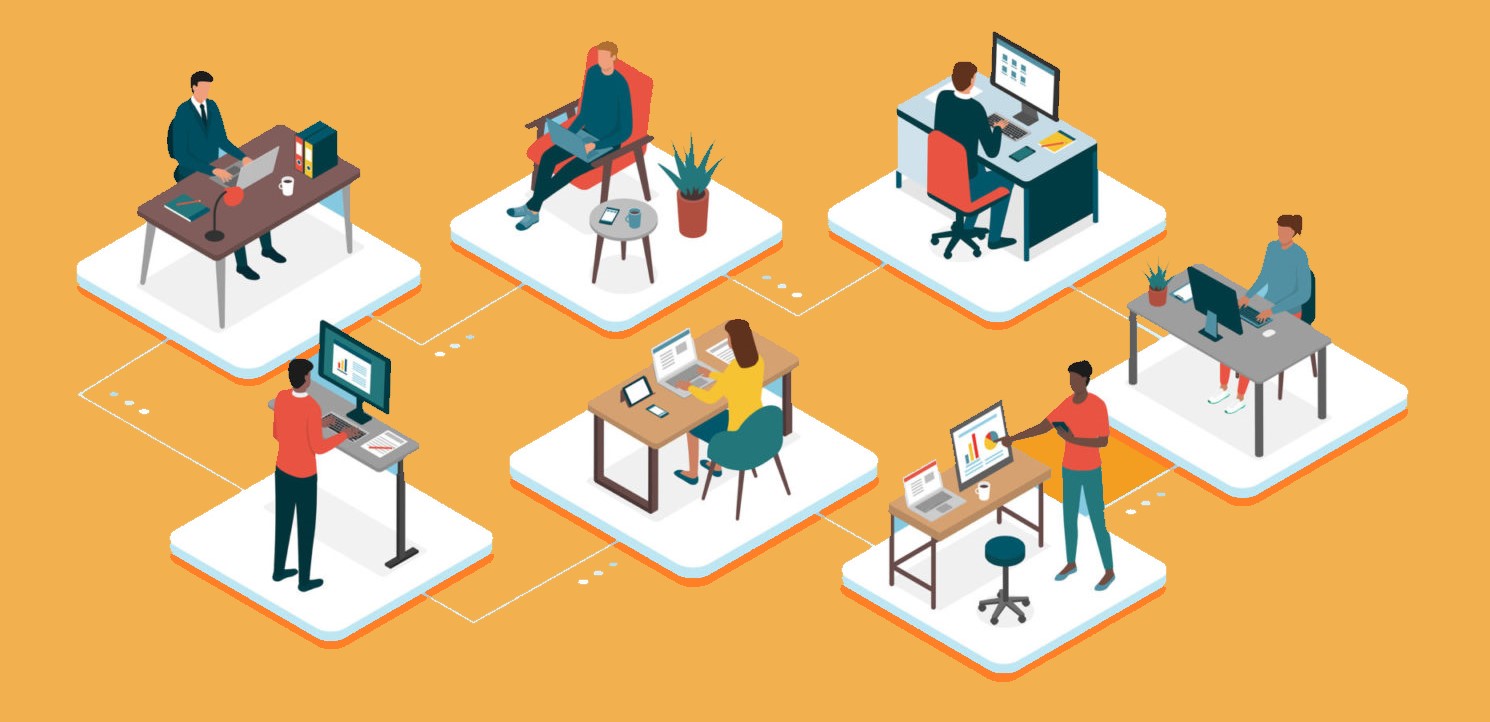
Device Lifecycle Management, often referred to as DLM, encompasses the entire journey of a device from acquisition to retirement. It involves a series of processes, which include procurement of the device, provisioning, maintenance and finally, disposal. While DLM was once a straightforward process in traditional office settings, the remote work era has created layers of complexity and issues.
In the new world IT managers are now faced with the issues of logistics and asset-management at each stage of a device’s lifecycle. This is mainly driven by the need to meet the varied requirements of remote and employees who are hybrid. It is now essential for businesses to use effective solutions. Managed Desktop Service is one of the most sought-after.
Managed Desktop Service: A Remote Work Enabler
Managed Desktop Service (or MDS) is a comprehensive software solution designed to facilitate the management of end-user devices. This service provides a comprehensive method of the provisioning of devices, their maintenance, and support, making it an indispensable tool for IT administrators. This is the way Managed Desktop Service is helping companies overcome the difficulties of remote work:
Enhancing the User Experience The primary goals of Managed Desktop Service is to improve the user experience. It addresses the issues that remote workers encounter issues with delayed equipment onboarding and software updates. MDS enhances satisfaction at work and productivity by ensuring employees are able to access the resources and tools they require when required.
Streamlining Device Provisioning: Managed Desktop Service simplifies the process of setting up new devices for remote employees. MDS can help organizations provide laptops and other equipment to new employees. This means that they have the equipment needed on their first day. This decreases the stress employees feel when they are forced to wait in line for their equipment or have to wait for their devices or.
Fast Software Updates: Managed Desktop Service helps IT teams manage software updates and patches more efficiently. It lets you schedule updates in non-disruptive time slots and ensures that employees don’t have to be disturbed when performing critical tasks. This reduces the chance of employees having interruptions during important meetings or video calls.
Rapid Repairs and Replacements When working remotely, the timely repair or replacement of devices that are malfunctioning is crucial. Managed Desktop Service Providers often have strong support systems, which assure that employees receive prompt assistance whenever they experience issues in their equipment. It not only reduces downtime but also reduces the risk of cyber-attacks that result from the use in an emergency of personal devices, or insecure devices.
Cost-Efficiency: Companies can cut costs by outsourcing the management end-user device to Managed Desktop Services providers. This means that they no longer requirement to employ staff internally to manage devices, decreases interruptions due to outdated equipment, and boosts the effectiveness in managing the lifecycle of devices.
The impact of employee engagement and turnover
The efficiency and effectiveness of the lifecycle of a device directly affects employee engagement. Employees who experience frustration from issues with their devices are more likely disengaged, and might even think of seeking opportunities elsewhere. The impact of inefficient DLM on employee engagement can be quite significant.
Contrary to this, organizations that put their money into Managed Desktop Service (MDS) and an effective Device Lifecycle Management can create a positive and engaging working environment. Employees with access to the appropriate tools, experience fewer interruptions, and receive prompt help when problems arise are more likely to stay with their employer of choice. This will reduce employee turnover as well as expenses for training and recruitment.
In reducing Cybersecurity Risks
Organizations are putting cybersecurity as a top priority list in this day and age of remote working. If employees don’t have proper device management in place, they may use their personal devices, or use devices that are not secured, which could pose an immediate threat to security of data as well as the network of the company.
Many Managed Desktop Services providers have strong cybersecurity protocols in place. They can make sure that all devices have the latest security patches and that all data is encrypted and protected. This proactive approach towards cybersecurity can help organizations minimize risks and ensure a secure remote work environment.
Conclusion
As the workplace landscape continues to evolve it is imperative to have a well-functioning Device Lifecycle Management and Managed Desktop Service cannot be understated. These are essential services for companies trying to adapt their work to the changing requirements of hybrid or remote workplaces. By insisting on enhancing the end-user experience, streamlining device provisioning and enhancing security organisations can improve productivity, lower turnover and create a safe and enjoyable work environment in the new age of work. Accepting the changes in device management is not only a reaction to changing new times. It’s a decision towards a more efficient and more competitive future.