
In the past, many considered body contouring in simple terms removal of fat to make an area smaller. The latest cosmetic surgery techniques are increasingly complex. Surgery specialists will now look at the shape of the patient, their desired shape, proportions of fat distribution, and the condition of the skin prior to recommending an appropriate treatment plan.
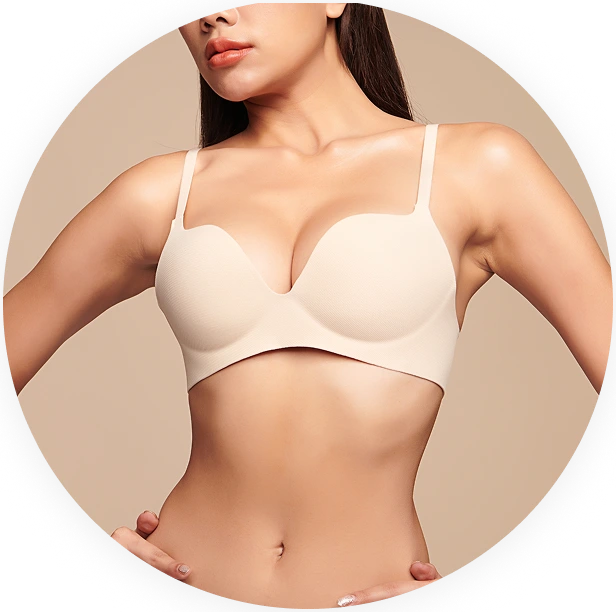
Image credit: prmsurgeons.com
These factors can be taken into consideration when performing a procedure at PRM Cosmetic Surgery. The options include to fat transfer, liposuction and techniques to treat the skin’s laxity. This provides surgeons with numerous options for shaping the body than just relying solely on one technique.
Proper proportion is the most important factor in a good liposuction.
Patients searching for the best liposuction may naturally focus on how much fat can be removed. The more important question is how fat removal will impact the overall shape of your body.
If you can eliminate the fat around the abdomen, you can alter how the hips and waist are positioned. In addition, treating the flanks can define that change. It’s crucial to be exact since aggressive fat removal doesn’t always work better. The objective is generally to create smoother contours that remain in line with the person’s body.
PRM Cosmetic Surgery offers cutting-edge approaches, including tumescent liposuction as well as treatment tailored according to the area being treated and the patient’s desired aesthetic goals.
Why skin quality deserves attention
Skin and fat behave in different ways. Although liposuction may remove some localized fat, it doesn’t mean that the skin that covers the fat will shrink as desired.
Skin tightening is an essential part of any conversation about skin care. The way the skin reacts to contouring can be affected by factors like genetics age as well as weight loss, pregnancy, or the existing elasticity.
Techniques like Renuvion J-Plasma could be considered if a treatment plan involves concerns about laxity of the tissues. Instead of being an afterthought to surgeons, they could consider the skin’s characteristics as part of the initial plan to contour your body.
Where Quantum RF can be integrated into the Conversation
Radiofrequency-based technology has also broadened the options available in aesthetic medicine. Quantum RF is another possibility to think about when discussing body contouring and tissue tightening.
The technology, however is only one component of treatment. The most sophisticated devices can’t substitute for anatomical knowledge or surgical judgment, nor can it replace a carefully selected patient. During a consultation, patients should understand the reason why a specific technology is suggested as well as what it’s supposed to accomplish, as well as what limitations are applicable to their particular case.
Brazilian Buttlifts Change More Than Buttocks
The Brazilian buttlift is an excellent example of modern contouring, that involves the connection between various parts of the body. The procedure uses the patient’s own fat which is removed from certain areas of donor and then transfered to the buttocks.
The resultant image is a combination of two elements: the shaping of areas where excess fat has been removed as well as the addition, as needed to the volume. The waist, abdomen, hips, flanks and buttocks can therefore influence how the final silhouette looks.
Personalized Planning is More Important Than A Trend
It’s not a great decision to select a cosmetic procedure solely because it’s well-known. Two people who want slimmer waists could have different expectations regarding the distribution of fat, skin elasticity and body proportions.
PRM Cosmetic Surgery emphasizes individualized treatments and the body contouring option that is designed to meet each patient’s specific goals. Before deciding whether surgery is suitable for you an extensive consultation will allow you to discuss your body as well as the options for surgery including recovery, expectations for recovery, the risks involved and the realistic results.