
Surface finishing is no longer a labor-intensive task and is now a highly precise process. Coating quality has a direct impact on durability, corrosion resistance and the perception of the product in today’s manufacturing environment. To keep up with the demands of clients who demand flawless finishes and improving global standards, numerous facilities have turned to paint robots.
Modern paint machines bring a organized motion and programmable precision to tasks that previously depended on operator skills. Automating the spray path and angle along with speed, eliminates numerous inconsistencies which lead to uneven film build-ups or over use. This consistent coating process helps to ensure First Time Quality, and minimizes the need for rework.
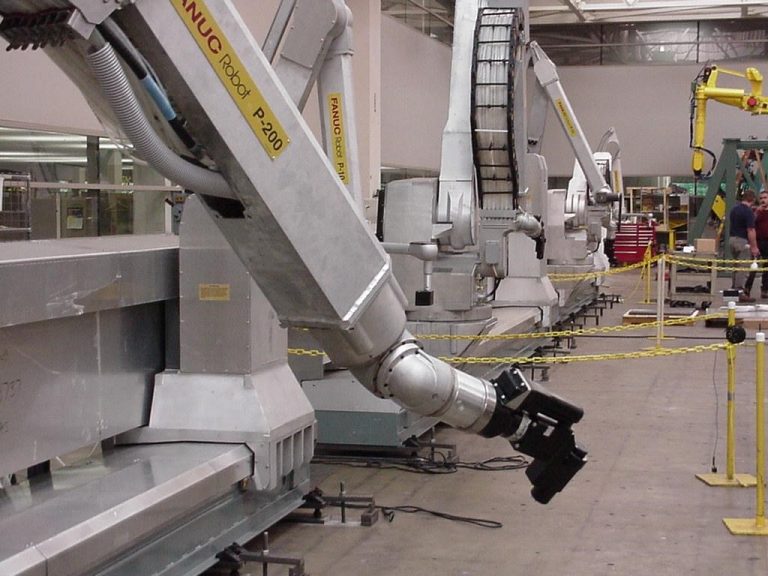
Image credit: automatedsolutions.com.au
Consistency and efficiency are essential to measurable results
Human factors or even small variations in technique can lead to variations in the thickness and coverage of the manual paint. Paint robots can eliminate this variation by repeating identical motion patterns during each production cycle. This provides a consistent finish on all parts and optimized distribution of the materials.
The transfer efficiency of advanced paint systems that use robotics is enhanced. By keeping precise distances and orientation between the applicator and component, the amount of overspray is decreased and more coating material can be applied to the desired surface. Reduced material waste can result in savings. Decreased CO2 emissions from volatile organic compounds support the environment.
Integrated fluid handling within paint robotics ensures accurate mixing ratios for multi-component coatings. It eliminates inconsistencies, that could affect the integrity and quality of the final product. By combining stable flow control with the ability to program parameters, companies can adjust atomisation and spray patterns settings in real time.
Productivity and safer work environments
Utilizing a robot painting system has a significant benefit in terms of improved uptime. Robotic paint cells have a higher efficiency than manual operations because they run without interruption. Once they are programmed, they can maintain consistent throughput without the need for breaks or constant supervision.
When handling solvent-based two-component coatings safety considerations are essential. Atomised paint can create dangerous atmospheres, especially when it comes to flammable and reacting materials. The latest paint robots have been designed to be safe in harsh conditions, reducing exposure to hazardous substances and improving workplace safety standards.
Conveyor tracking technology also improves productivity by allowing robot painting while the components are in motion. This gives you a bigger working area, and also helps keep production lines running smoothly.
Australian Automation Expertise Supporting Industry
It is essential that producers are able to access automation partners who are skilled. In Australia, Automated Solutions has built a strong reputation for delivering advanced robotic integration services. The team has a wealth of experience in the field of automation engineering and is certified as FANUC robot integration experts. They aid businesses in the implementation of robot paint solutions that are tailored to their specific needs.
Automated Solutions helps manufacturers evaluate their processes, and design robotic paint cells by combining industry expertise with technical knowledge. Through combining collaborative planning simulations and system integration, companies can understand the anticipated improvement in performance before implementing.
Paint robotics is not only automation. It’s about improving safety, quality, and efficiency. A well-engineered paint robot system transforms surface finishing into a controlled consistent, cost-effective, and repeatable process. With the help of skilled technicians in automation, manufacturers can increase their competitiveness and ensure long-term success in a complex market.