
To maintain a healthy ecosystem of ponds it is necessary to maintain the right oxygen levels, circulation of water, and an equilibrium in the aquatic life. If ponds aren’t properly aerated, they may quickly face problems such as the growth of algae, foul-smelling odors and stress in fish. One of the most efficient and environmentally friendly ways to maintain water quality is by installing a Windmill Pond Aerator. The systems harness wind’s energy to provide oxygen to the water, which helps to keep the ponds healthy, balanced, and healthy.
In recent times Pond Aeration Windmills have gained popularity with pond owners, farmers, and property managers who want a sustainable solution without relying on electricity. They use wind power to ensure constant oxygenation and reduce the energy usage and environmental impact.
Why Pond Aeration is Important
The process of water aeration is increasing the amount of oxygen in water. It is crucial to ensure that the levels of oxygen in the water remain stable in order to ensure that the aquatic life forms like fish and beneficial bacteria rely on it for survival. If there’s not enough oxygen in the water, it could lead to stagnation, gas buildup and the growth of algae.
If oxygen levels are reduced the ponds may form layers in which the water beneath is depleted of oxygen and creates unsafe conditions for aquatic life. Aeration can help circulate the water column and bring oxygen to areas that are deeper to prevent stratification. This helps to create healthier ecosystems and clearer water.
How a Windmill Aerator Works
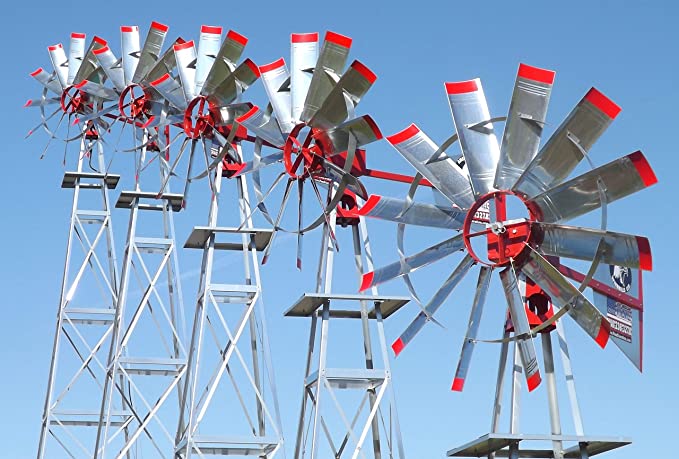
The Windmill Aerator operates using the wind’s power instead of electricity. As the wind turns the blades, the mechanical energy of the windmill is transferred into an air compressor. This pumping action pumps air down a hose into the diffuser in the bottom. The diffuser sends out bubbles that circulate to deliver oxygen through the water.
This process boosts the level of oxygen in the pond and also improves the flow of water. As the bubbles grow and mix the layers of water, they eliminate stagnant zones and spread oxygen more evenly across the pond.
Even under conditions of weak winds, modern windmill aeration is designed to work effectively. Advanced models feature sturdy components, as well as specific diffuser stones designed to evenly disperse air across the pond to enhance aeration.
The benefits of Windmill Aeration Systems
1. Energy-Efficient Operation
Windmill Aeration relies solely on renewable wind energy which is one of its main advantages. It’s an economical option for maintenance of ponds over the long term since it doesn’t require electrical wiring or ongoing expenses.
2. Environmentally Friendly
They have minimal environmental impact since they’re powered by wind. Landowners that want sustainable water management are able to benefit from this choice.
3. Improved Water Quality
Proper aeration aids in breaking up organic material and reduces stagnation. The pond will not be susceptible to unpleasant odors and algae blooms when oxygen levels increase.
4. Healthier Aquatic Life
Fish and other aquatic creatures require oxygen to survive. Windmill Pond Aerators offer an ongoing supply of oxygen to fish and aquatic plants, creating a healthier ecosystem.
5. Easy Maintenance and Long Lasting
The majority of Pond Aeration Windmills feature durable materials that are able to stand up to outdoor weather conditions. They require little maintenance once they are installed, making them a perfect long-term solution.
Windmill Pond Aerators: Great Uses
Wind-powered aeration systems are often used in a variety applications, including:
Ponds for livestock and water sources for farms sources
Ponds for recreational fishing
Ranches, agricultural properties
Conservation areas, wildlife habitats
Ponds for private residential use
These systems are particularly useful in areas that are remote and there is a lack of electricity. Installation is flexible because a Windmill Aerator may be installed outside of a pond and connected by air tubing.
The right Windmill Aeration Systems
Pond owners should take into consideration several factors when selecting a wind-powered system to aerate.
Pond Size: Bigger bodies of water could require stronger compressors, or additional diffusers.
Depth: The diffusers must be placed at the appropriate level to maximize oxygen distribution.
Wind Exposure – Placing a windmill on an open field will allow it to take in a greater quantity of wind energy.
Durability: Look for equipment made of top-quality materials made for long-term outdoor use.
By selecting the correct Windmill Pond Aerator, you can be sure that it will operate effectively and give enough aeration to satisfy your pond’s needs.
The Future of Pond Aeration
As more people search for sustainable ways to manage the natural resources available, aeration using wind power is now an increasingly popular choice. Windmill Aeration provides a reliable solution to pond maintenance by using renewable energy and the aeration process.
Installing a Windmill Aerator onto a rural property or a backyard pond could improve the water quality and ecosystem. With minimal operating expenses and long-term benefits Pond Aeration Windmills are an investment worth making for anyone who wants cleaner water, better fish, and a thriving the pond’s ecosystem.