
Nightclubs may employ bartenders who possess a formal education, have alcohol policies written down, and have an experienced manager for each shift. The security measures may appear reassuring in an employee handbook.
But imagine a crowded Saturday night where several bartenders serve the same crowd and a floor manager is managing a disturbance, and customers are ordering rounds from various locations. Who is responsible to determine when a person is no longer a candidate for alcohol?
This aspect is more crucial in the context of dram shops litigation, rather more than just determining the quantity of drinks being sold.
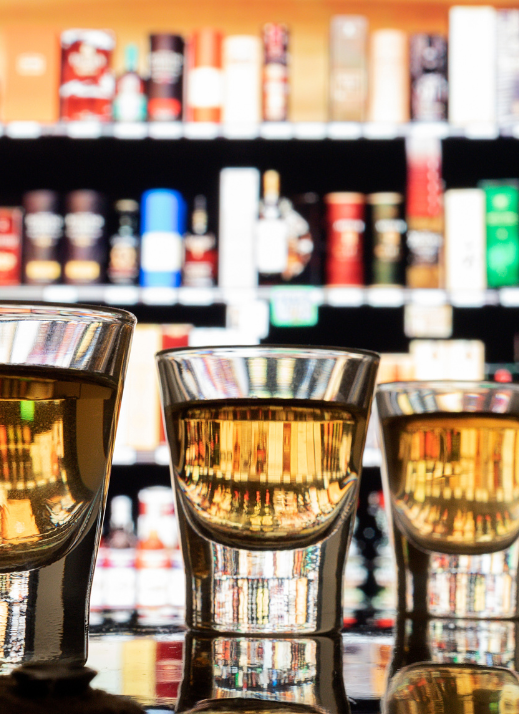
The first stage in the investigation of overservice is to determine what the staff could see
Dram Shop expert witnesses will analyze whether the alcohol service decisions made by employees were in accordance with industry standards and other circumstances.
A customer’s intoxication is not proof, by itself that the bartender spotted warning signs when serving. The investigation must consider the customer’s behaviour as well as the timing of the service, the observation of staff, and any available evidence.
Surveillance footage may reveal difficulty walking, strange movements, or even interactions with employees. Witness testimony can provide additional information, but their recollections may differ. The most important thing to discern between is what investigators learnt after an incident, as well as what staff should have known at that moment of the incident.
One Tab Doesn’t Signify One Drink
These records can be useful however, understanding them requires hospitality experience. One customer may purchase multiple rounds of drinks for their friends. Multiple people may be involved in bottle-service transactions. Separate bartenders may process orders without recognizing that a different employee was serving the order.
An Alcohol expert witness can examine transaction times, beverage quantities, surveillance recordings, and staffing records to develop a more complete service timeline.
This investigation could reveal times in which employees were able intervene or detect the fact that they were drunk. It could also help identify instances where the evidence isn’t sufficient to establish who drank particular drinks.
The importance of training is once it is completed
The certifications of employees are vital but they’re not a guarantee to determine how a place worked during a specific shift.
Investigative investigations may determine whether or not employees have been trained, if they are aware of the procedures for intervention and if the managers have enhanced policies.
Preston Rideout is a professional in hospitality with more than 30 years of experience. This includes bartending, management and drink-program consulting.
He also holds 112 seller server certifications that cover 48 states as well as the District of Columbia, according to his professional qualifications.
The combination of both permits him to examine the education that employees were given and their practical decisions. Bartenders, as an example could be able to detect a behaviour that is concerning but may not have clear instructions regarding how to report it or how to contact management. It is crucial to evaluate the supervisor’s capability to oversee.
Insurance investigations may pose similar Questions
A expert witness in Liquor Liability typically examines the same operational issues for coverage counsel, insurers and defense lawyers. Even though the terms used might differ, the examination is still centered around the alcohol service, employee behavior control, management oversight, as well as training.
A thorough review may include incident reports, written guidelines, video recordings and employee schedules. It could also include certification records, and deposition testimony. It’s not the role of an expert to automatically appoint the person who retains them. The responsibility of the expert is to present the findings as well as identify the practices of the industry and acknowledge the limitations that are significant.
Experience explains the reasons that led to the records
Rideout has been a witness in alcohol-related and hospitality cases in 11 states, collaborating with both plaintiff and defense counsel.
The analysis focuses on bars, restaurants, nightclubs, hotels resorts, casinos, and other hospitality establishments where alcohol-related services are a component of the day-to-day operations. Each environment has different management and staffing issues.
Bartenders working in a small restaurant’s dining room might have a better opportunity to observe clients than an employee at a counter serving drinks in a nightclub. Knowing these differences will help put the data in its proper context.
Trustworthy opinions can’t fill in gaps using assumptions
Dram-shop laws are different across all jurisdictions. Expert testimony from an operational expert is not the same as a legal decision. The most thorough analyses describe the actions of employees and what service practices are required. They also support the conclusion that can be drawn from the evidence.
Sometimes, records reveal a deviation from standard procedures. In other cases, they show that employees adhered to appropriate practices or leave important questions unanswered.
It is crucial to differentiate between the two for lawyers in evaluating claims involving alcohol. An expert opinion is more than a narrative of the incident. It allows the judge to be aware of what was happening in the establishment before the time of the night was over.