
Disc bulges can cause back pain for millions of people across the globe. Conditions such as superimposed central protrusions disc bulges that abut the nerve roots, swollen disc bulges, and paracentral bulges are all able to cause severe pain and mobility problems. Recognizing these issues and evaluating the options for treatment is crucial to manage pain and improving your health. Dr. Ken Nakamura offers insight and guidance on how best to manage these ailments.
What is a disc bulge?
A disc bulge is when the intervertebral ring, which is a cushion that sits between the vertebrae and acts as a shock absorber extends outside its normal limit. It could happen because of wear and tear, injuries or even degeneration as time passes. The degree of disc bulges be as minor as protrusions with little or no symptoms, to larger bulges that could cause discomfort and pain.
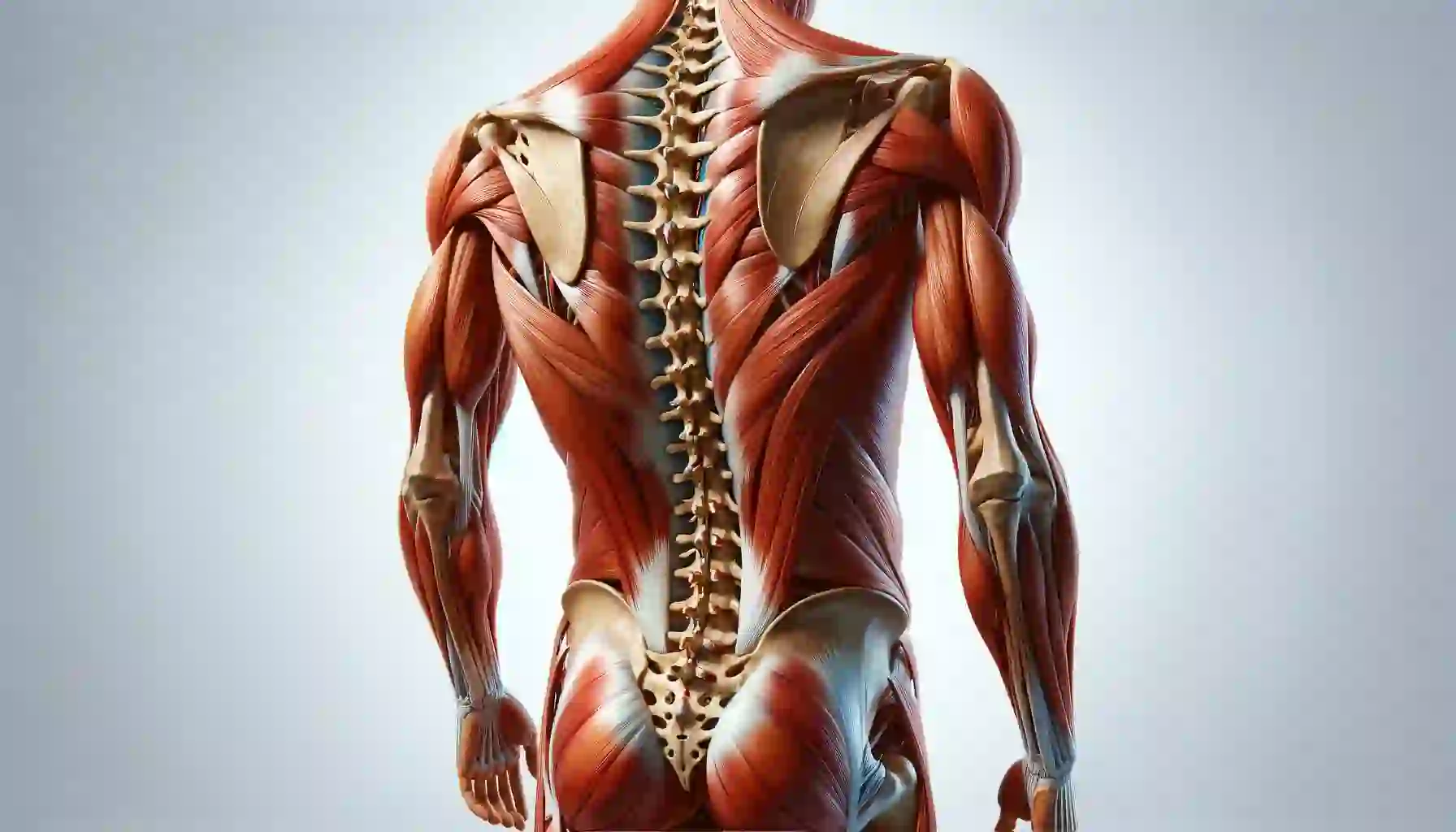
Superimposed Central Disc Protrusion
Superimposed central disc protrusion is one kind of disc bulge that occurs in the middle of the spinal cord. Dr. Ken Nakamura says that this protrusion may cause the spinal cord to compress or even a nerve root which can lead to symptoms like pain, numbness or weakness. The protrusion is situated in the center of the spine, which means that it can affect both sides of your body.
Disc Bulge Abutting Nerve Root Treatment
If a disc that is bulging is close to the root of a spinal nerve, it could cause significant pain, and even neurological symptoms. This can include sciatica, a pain that radiates along the leg. If untreated, the pressure on the nerve’s root nerve may cause inflammation, pain and even loss in function.
Dr. Nakamura explains that disc bulge abutting nerve root treatment a nerve root typically involves a combination of conservative and, in some cases, interventional approaches. The treatment options for conservatives include the use of physical therapy, anti-inflammatory medication and activity modifications to lessen pressure on the nerve. In cases of extreme nerve compression surgery or epidural injections may be necessary to offer relief.
Eccentric Bulge
Eccentric disc bulge is a bulge that is off-center and mainly to one side. It can result in unilateral symptoms. The symptoms of pain, as well as other ailments typically only affect one side. Discoid bulges that are eccentric can be particulary problematic since they could compress specific nerve roots that can result in discomfort, tingling or weakness.
Dr. Nakamura emphasizes that treatment for an elongated disc usually involves exercises to build up the muscles around the spine, and to improve flexibility. This could help reduce pressure on the disc and alleviate symptoms. Non-surgical treatment such as spinal compression therapy could be prescribed to reduce the bulge or relieve the pressure on the nerve in certain instances.
Paracentral Protrusion
Paracentral protrusions are a type disc bulge, which is found in the spinal canal near the center, but on the sides. This can lead to nerve root compression, like other kinds of disc bulges. It may cause symptoms like discomfort, numbness or weakness in the extremities.
Dr. Nakamura recommends that the treatment for paracentral protrusions typically involves a mix of treatment that is conservative. These include physical therapy and strategies for managing pain and lifestyle modifications. In more severe cases, surgery may be needed to remove the protruding disk tissue and then decompress the affected nerve.
Controlling Disc Bulge-Related Pain
Treatment of disc bulge pain is dependent on the degree and specific symptoms of the problem. In mild to moderate cases, conservative treatments are often effective in reducing pain and improving functionality. This includes:
Physical Therapy: Exercises that improve flexibility and strength of the muscles supporting the spine.
Pain Management: Make use of medications such as anti-inflammatory drugs to manage pain, reduce inflammation, and ease muscle tension.
Lifestyle Modifications: Make adjustments to your daily routine to stop the condition from getting worse. For instance, you can adopt an ideal posture, making adjustments to your ergonomics and avoiding heavy lifting.
Interventional Therapies: When there are situations where conventional treatments aren’t enough alternative treatments such as epidural steroid injections, or less invasive surgical procedures could be contemplated.
Conclusion
It is crucial to know the differences between conditions like superimposed disc protrusions and disc bulges that abut neural roots, eccentric disc bulges, and paracentral protrusions for effective management of discomfort. Dr. Ken Nakamura stresses the importance of recognizing signs and seeking treatment to lessen the discomfort, increase mobility, and improve the overall living quality. It is important to manage disc bulges either with traditional methods or, in some instances, surgery for those who want to live a lifetime free of pain.